


Hungarian Identity in the Mirror of Self-Knowledge – Participation in the 9th International Congress of Hungarian Studies
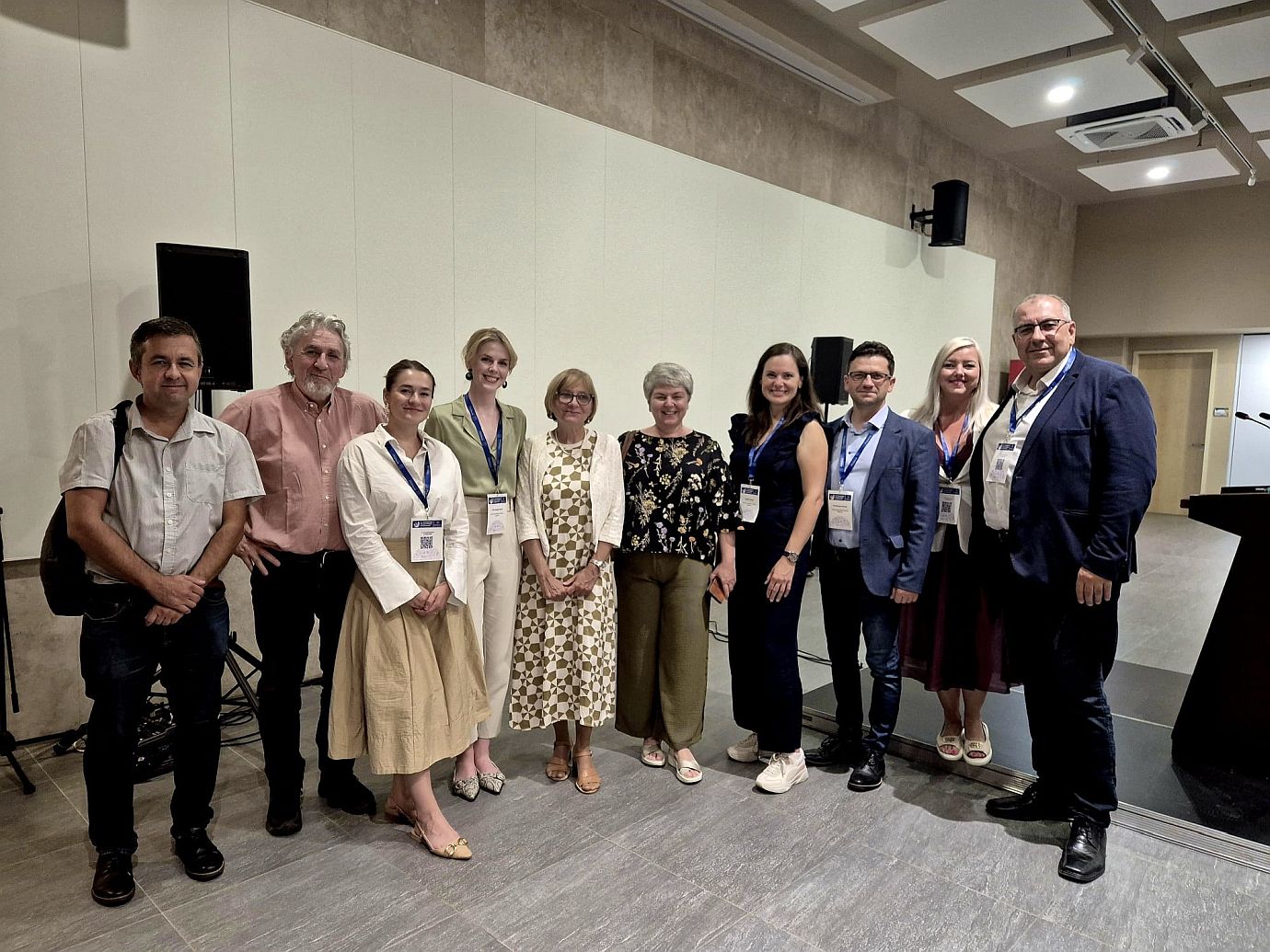
Academic staff and doctoral students from the Institute of Hungarian Language and Literary Science at the Faculty of Central European Studies, Constantine the Philosopher University in Nitra, participated in the 9th International Congress of Hungarian Studies, held in Miskolc and Sárospatak from 24 to 29 August 2026. Organised by the International Association for Hungarian Studies, the University of Miskolc and the University of Tokaj, the congress brought together researchers from 22 countries. This international gathering, held every five years since 1981, took place this year under the title Sources of Self-Knowledge – Changing Images of Hungarianness (Az önismeret forrásai – a magyarságkép változásai), with 350 speakers presenting their research findings across 30 symposia, held primarily in Miskolc.
The event provided an interdisciplinary forum for scholars from a range of fields and seeked to foster dialogue on the study of images of Hungarians. Reflecting this aim, presentations were delivered by scholars working in cultural anthropology, ethnography, linguistics, history, literary studies, musicology, film and theatre studies, art history, music history and philosophy, as well as cultural studies in a broader sense and the history of science and technology.
Academic staff and doctoral students from our institute contributed to symposia and sessions on linguistics and first-language pedagogy.
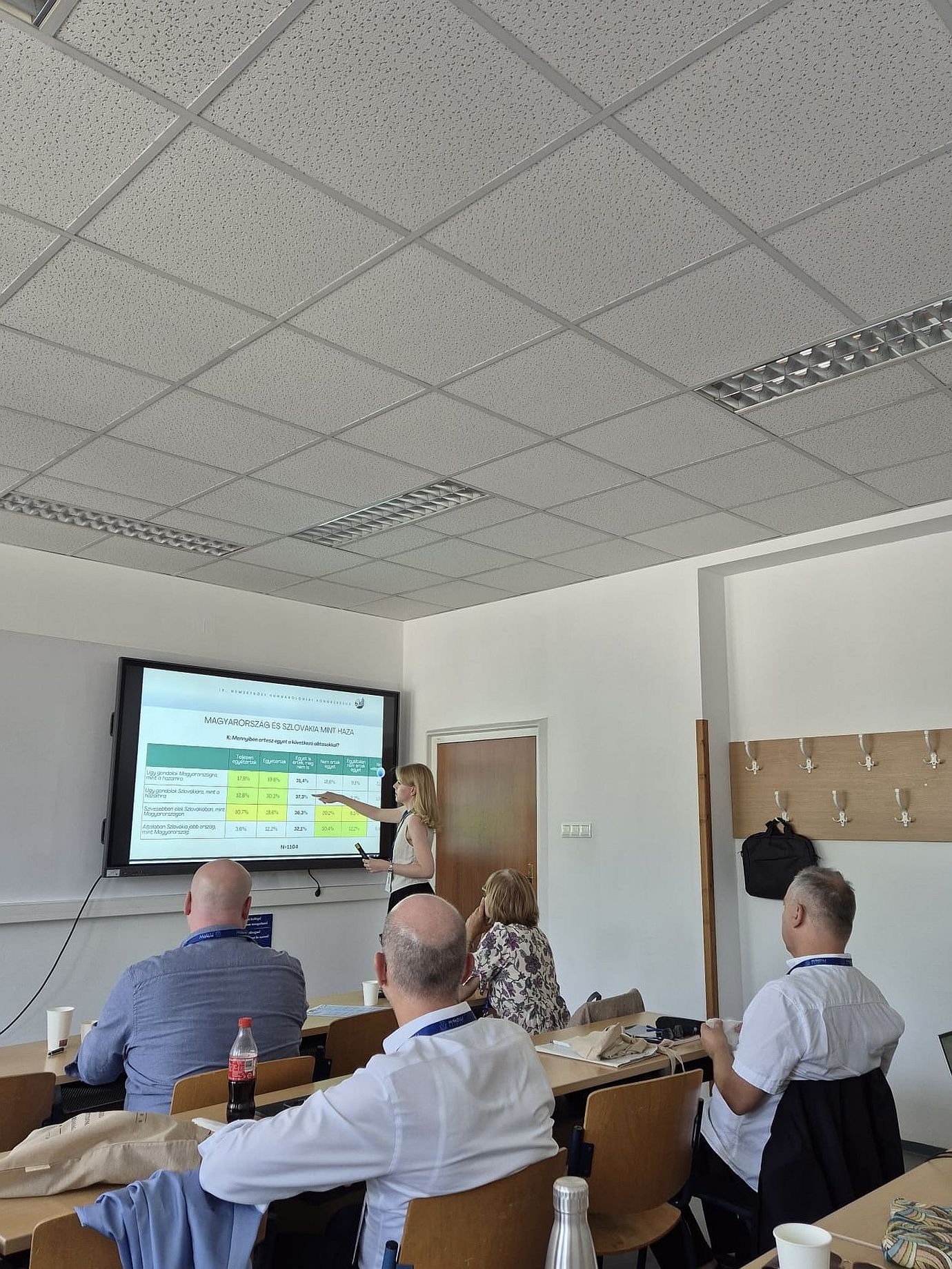
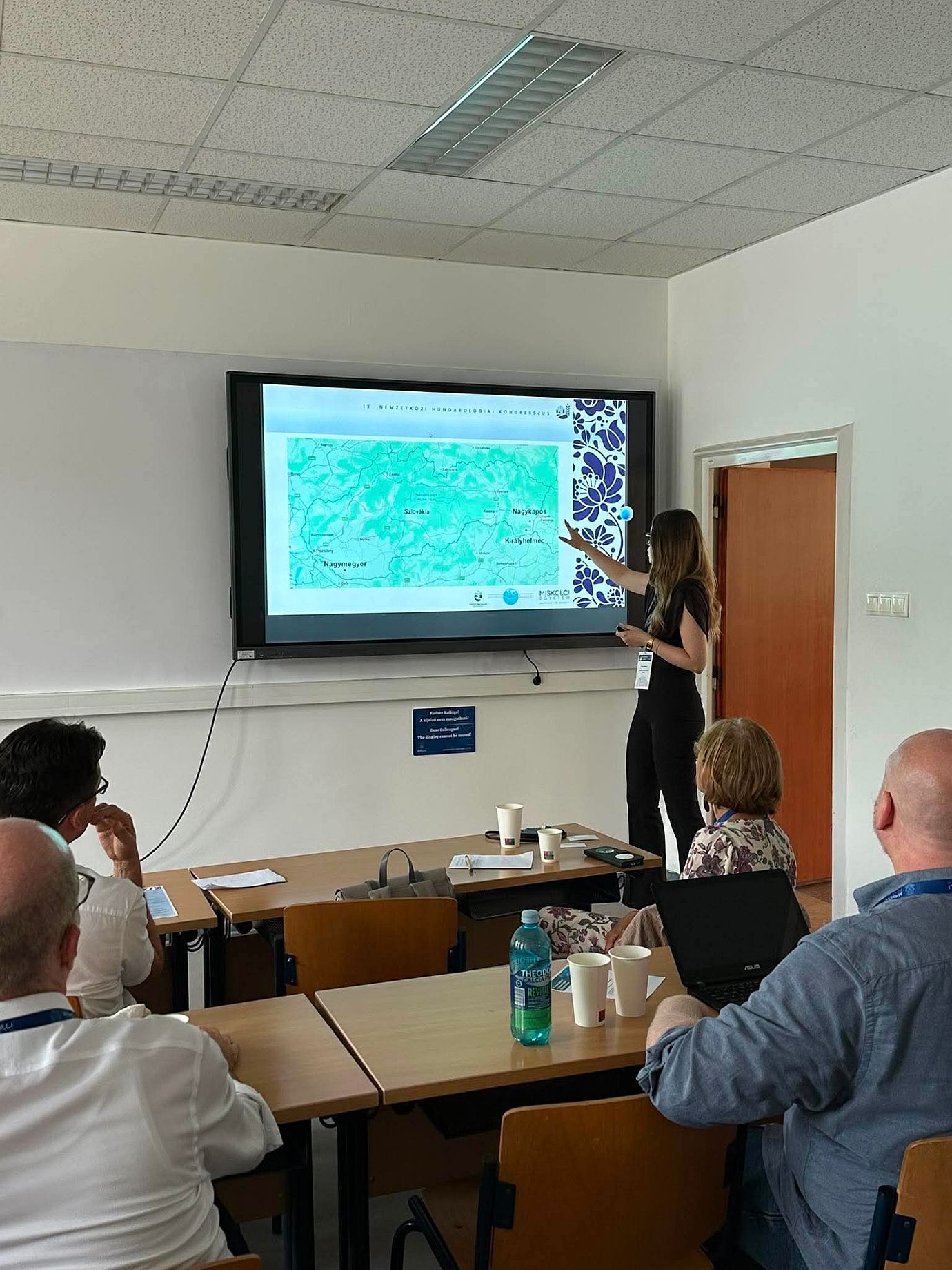
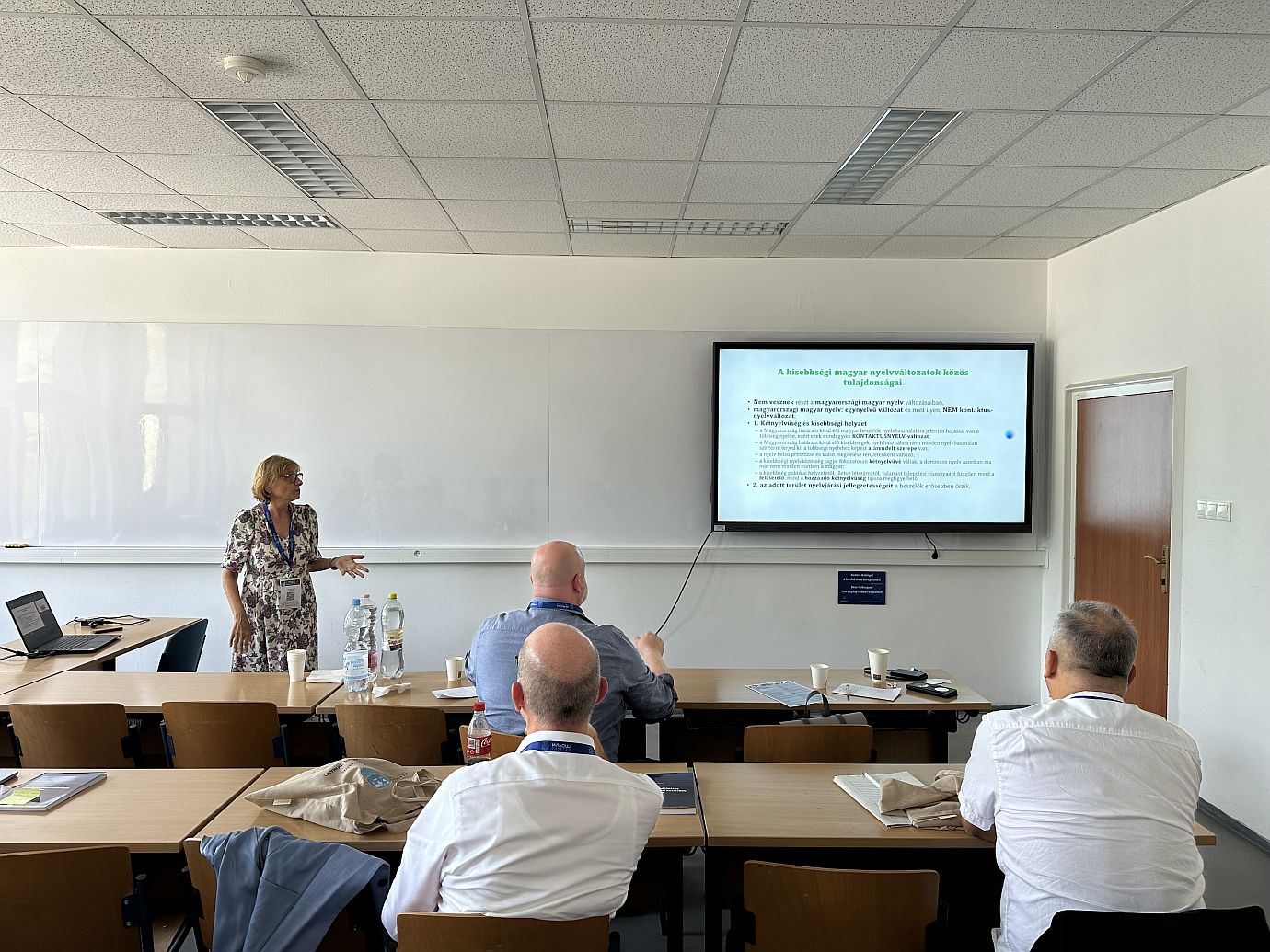
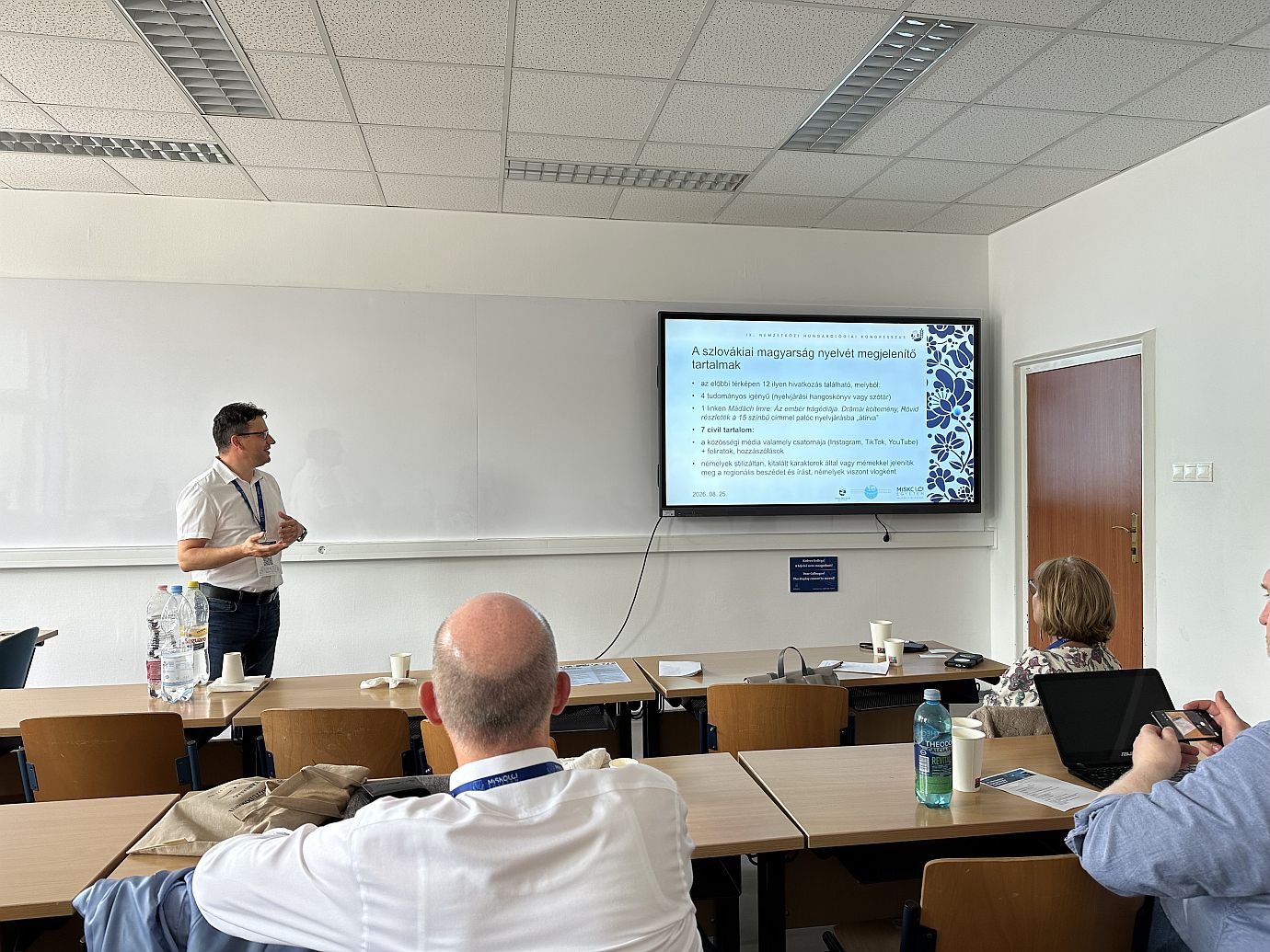
Ildikó Vančo organised and chaired the symposium Outside and Inside: Cultural Dimensions of Regional Transformations in Central Europe (Kint és bent: A térségi változások kulturális vonatkozásai a közép-európai térben), which comprised three sessions. Its presentations explored past and ongoing linguistic and cultural changes resulting from political restructuring in Central Europe, a region with a long history of ethnic and cultural diversity. In the session Minority Identity, Language Ideologies and Language Varieties (Kisebbségi identitás, nyelvi ideológiák és nyelvváltozatok), Ildikó Vančo outlined the characteristics of the variety of Hungarian used in Slovakia, while Anna Oros Bugár discussed state borders and mental spaces as reflected in the identities of Hungarian secondary school students in Slovakia. In the session Space, Linguistic Landscape, Representation and the Digital Public Sphere (Tér, nyelvi tájkép, reprezentáció és digitális nyilvánosság), Károly Presinszky gave a lecture on the online representation of the language of the Hungarian community in Slovakia, while Natália Szűcs examined the political representation of the Hungarian minority in Slovakia through language in the electoral linguistic landscape.
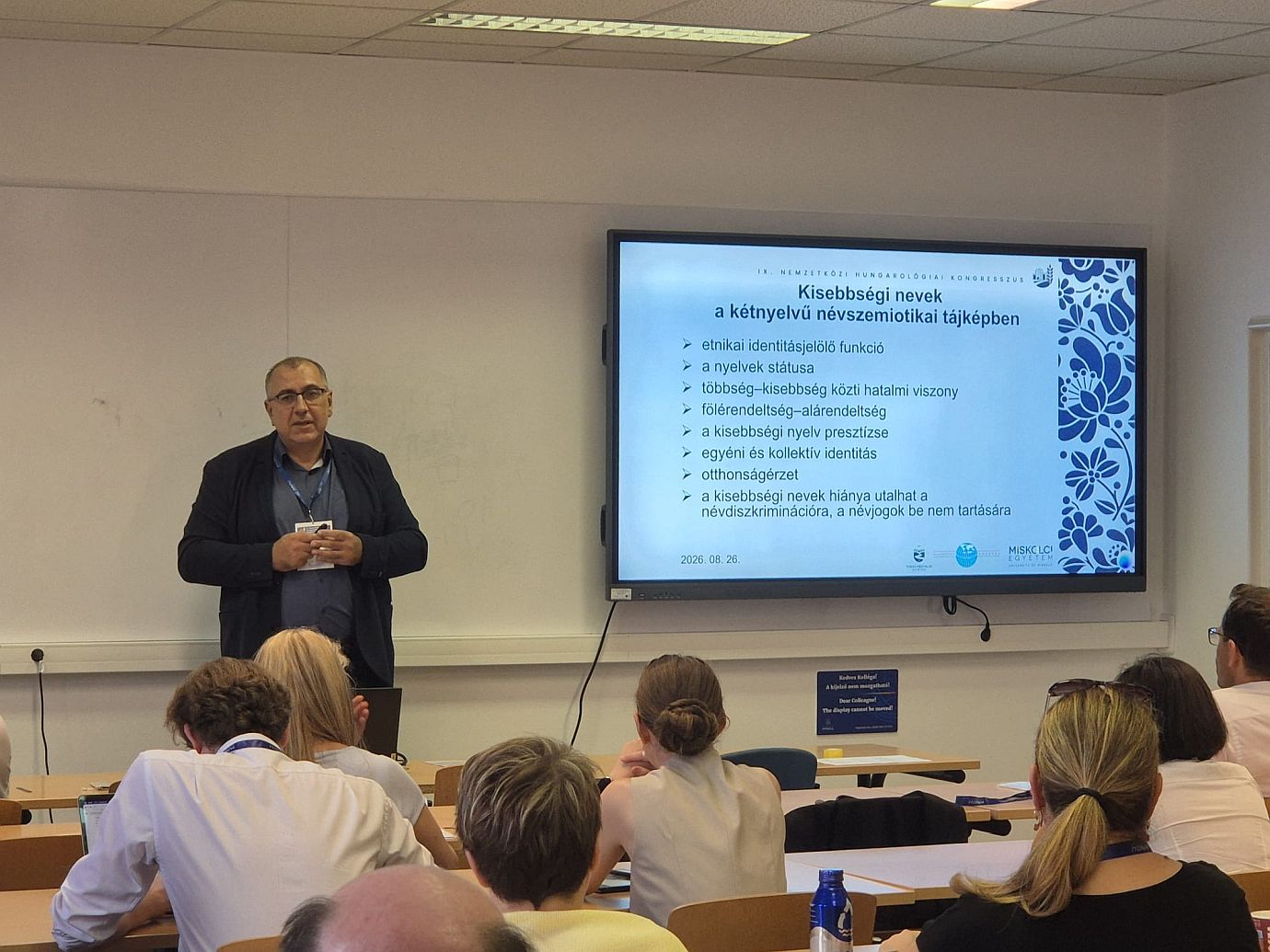
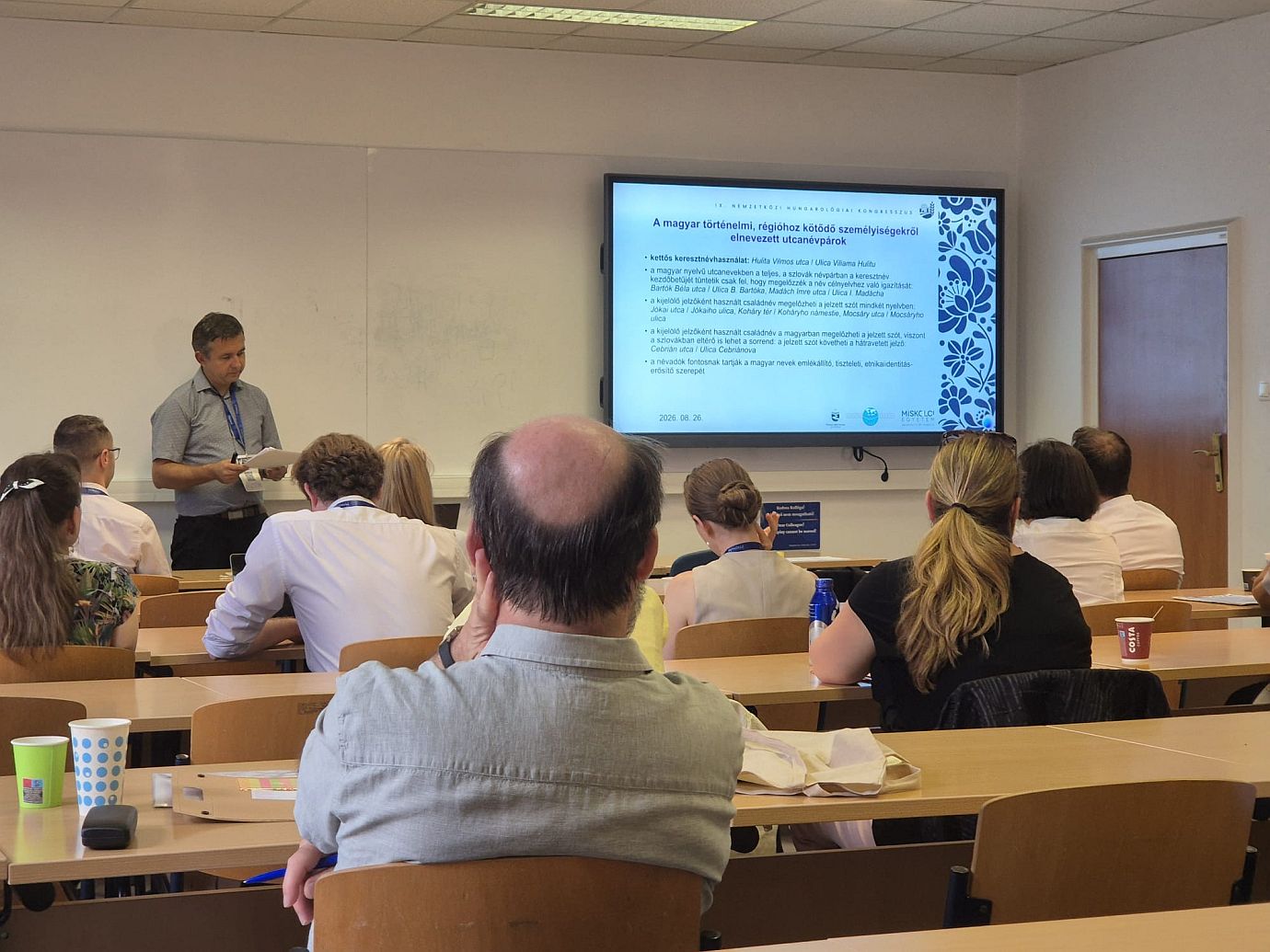
The symposium Proper Names as Shapers and Reflections of a Sense of Identity and Images of Hungarians (A tulajdonnevek mint az identitástudat és a magyarságkép alakítói és tükrözői) focused on research exploring historical and contemporary naming practices and name use in Hungarian communities within Hungary and beyond its borders, in relation to identity, self-knowledge and images of Hungarians. Within this symposium, László Angyal discussed the naming and translation practices reflected in Hungarian–Slovak street-name pairs in Fülek, while János Bauko examined proper names as symbols of Hungarian identity in the bilingual name-semiotic landscape.
In the session Language Teaching, Linguistic Structures, Transfer and Cultural Mediation (Nyelvtanítás, nyelvi szerkezetek, transzfer és kulturális közvetítés), István Kozmács explored cultural codes and instances of language transfer in essays written by Hungarian students in Slovakia.
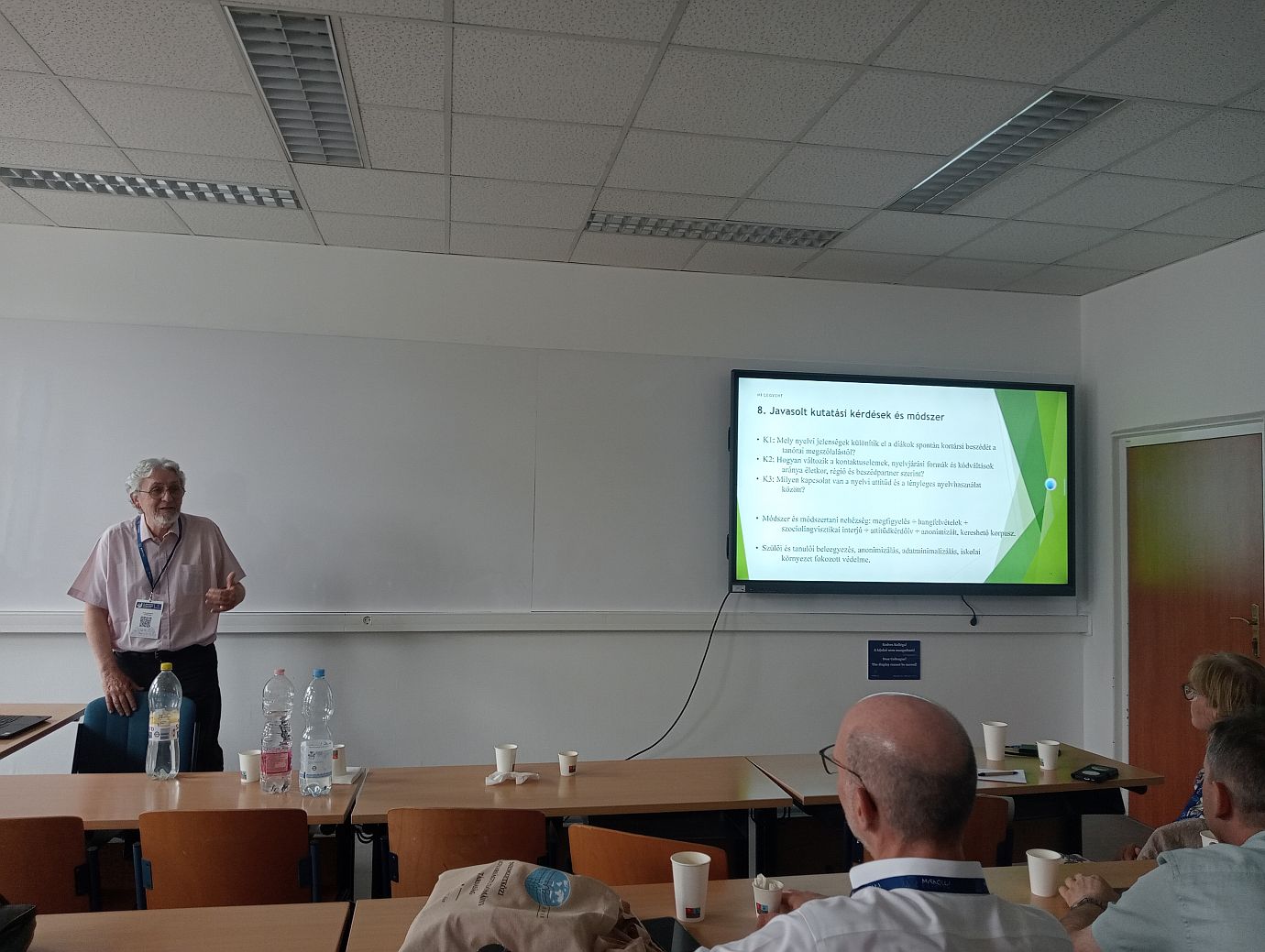
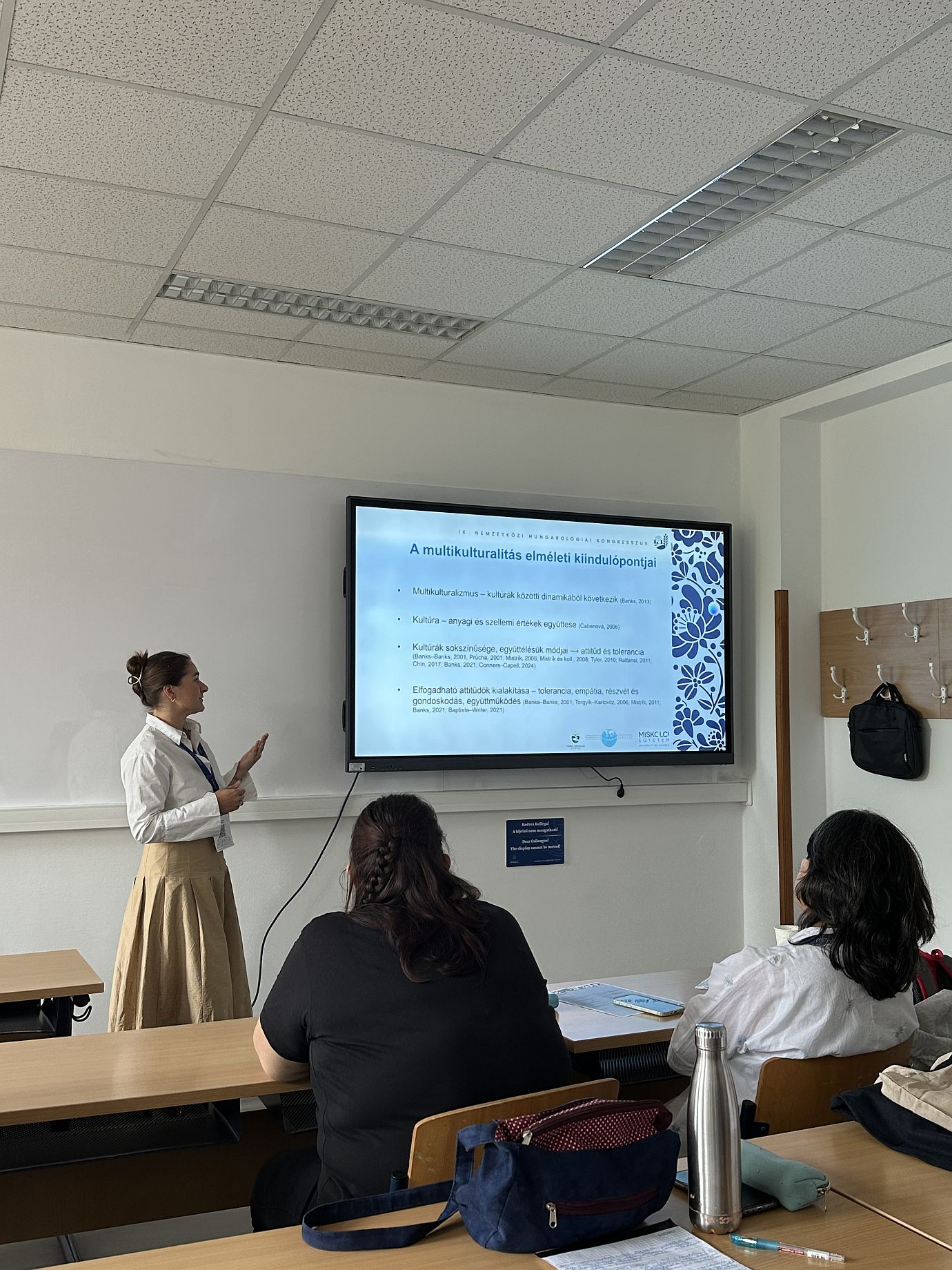
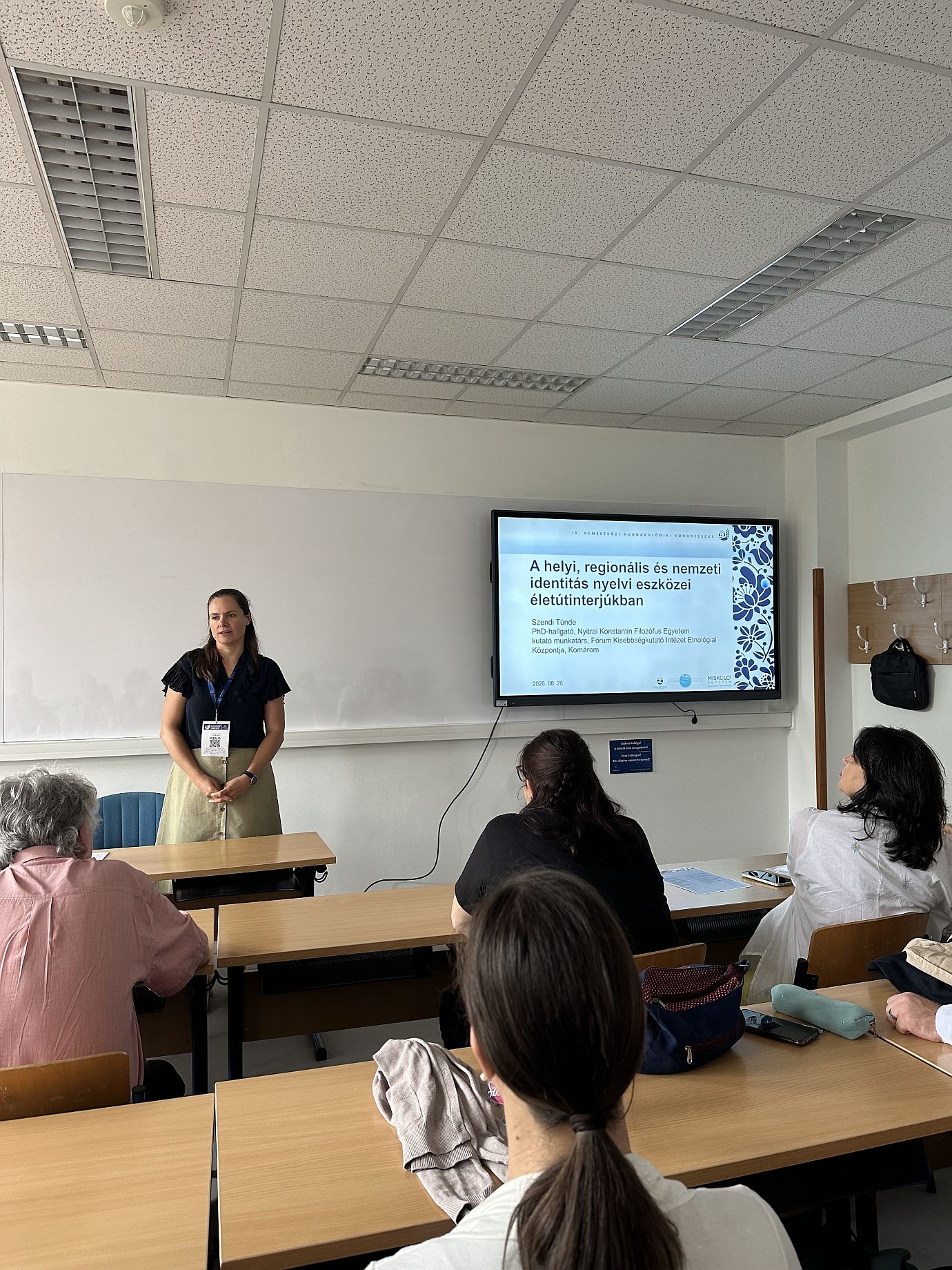
The symposium Language and Identity (Nyelv és identitás) featured presentations drawing on the history of scholarship, intellectual history and empirical data. Among other questions, the papers explored which identities have been and continue to be expressed through the use of Hungarian in contrast to other languages, and how these identities are expressed, as well as the identities historically and currently associated with varieties of Hungarian. Patrícia Kovács discussed a study of intercultural sensitivity among Hungarian children in Slovakia in the context of multicultural education, while Tünde Szendi examined the linguistic means of expressing local, regional and national identity in life-history interviews conducted with Hungarians in Slovakia.
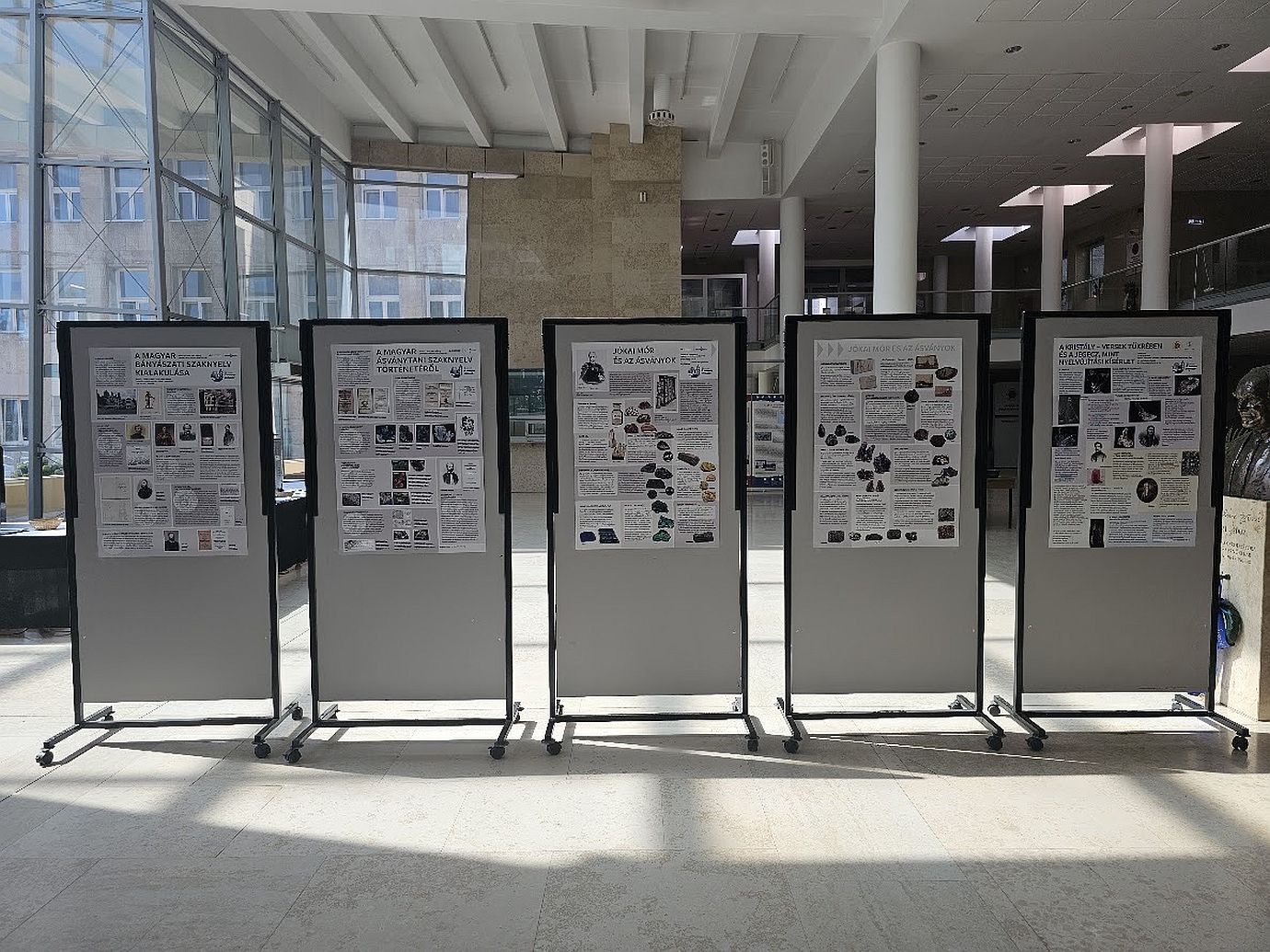
Zsófia Bárczi contributed to the conference as a speaker; as co-organiser, alongside Andor Mészáros, Associate Professor at Eötvös Loránd University (ELTE), of the symposium Among Us and Our Neighbouring Nations – A Symposium in Memory of Csaba Gy. Kiss (Nálunk és szomszéd nemzeteknél – Szimpózium Kiss Gy. Csaba emlékére); as co-organiser, alongside Tamás Weiszburg, Associate Professor at ELTE, of the excursion entitled In Search of Legends (Legendák nyomában), organised for congress participants; and as co-author of the poster exhibition The History of Technology, Innovation and Science (Technikatörténet, innováció- és tudománytörténet). She delivered her presentation, Palimpsest versus Anthology. Urban Space in the Literary Imprints of Competing National Self-Representations (Palimpszeszt versus antológia. A városi tér a versengő nemzeti önreprezentációk irodalmi lenyomatában), as part of the symposium mentioned above.
The congress offered members of our institute an excellent opportunity not only to present their own research but also to meet researchers in their specialist fields and related disciplines, gain new knowledge, perspectives and ideas, and maintain existing professional relationships while establishing new ones.
The organisers will also compile a digital book of abstracts of the papers presented at the conference, to be published with an ISBN.
Written by: Patrícia Kovács, Tünde Szendi, Natália Szűcs
Photographs: Denisa Nagyová, Anna Oros Bugár, Tünde Szendi, Natália Szűcs


